Project Overview
In addition to energy-efficient drives, lightweight construction materials are the key for a reduction in environmental pollution and resource efficiency in mobility. To increase the lightweight construction potential in structural applications, high-strength wrought aluminum alloys play a dominant role. When assessing resource efficiency and the CO2 reduction potential must not only include operational CO2 emissions be considered, but also the production-related emissions of the structural components, resource consumption and sustainability are assessed holistically. In this context the focus is on secondary aluminum alloys, as these alloys allow up to 95% of CO2 emissions to be saved compared to primary material.Goals

Circular economy in automotive engineering.
The overarching goal of the joint project is to increase the lightweight construction potential of aluminum alloys for mobility applications while at the same time significantly improving sustainability, climate friendliness and cost efficiency. To increase sustainability and climate friendliness, secondary aluminum should be used from various sources, but in particular from end-of-life (EoL) scrap from vehicles. For this purpose, the entire process chain, starting from the EoL material sorting, the alloy production and composition through the processing to the component, must be considered and adapted and thereby built up across locations and digitally networked. Corresponding increases in efficiency can only be achieved through this holistic view of all steps along the process chain. Furthermore, it should be proven that through targeted adaptation of the entire process chain, the use of EoL material is also possible and cost-effectively mapped for highly stressed aluminum components.
Approach
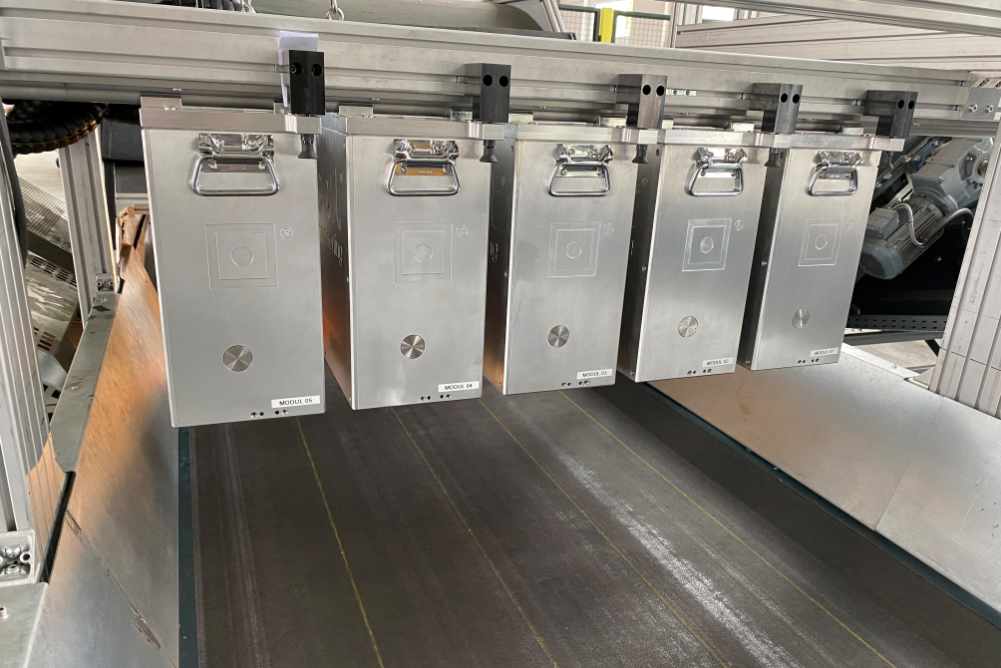
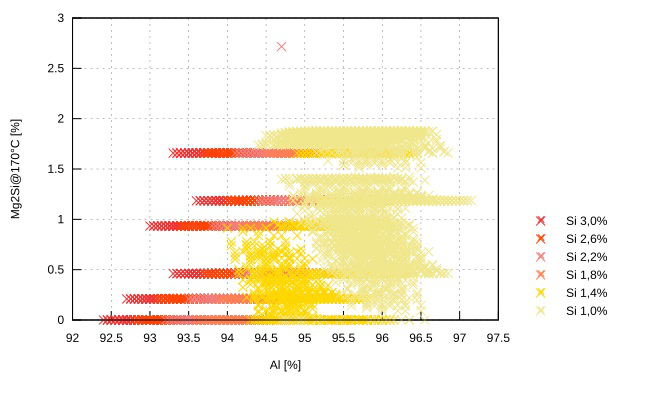
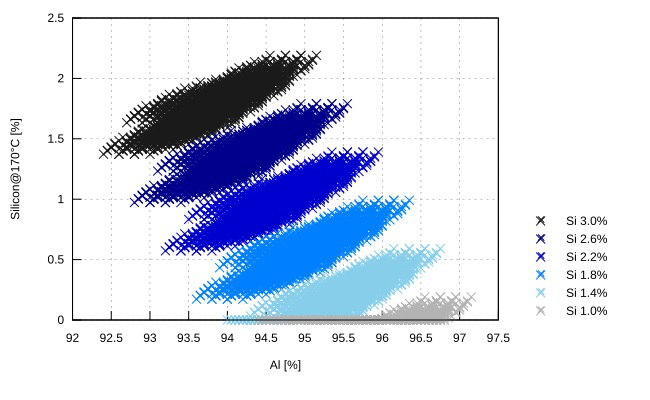
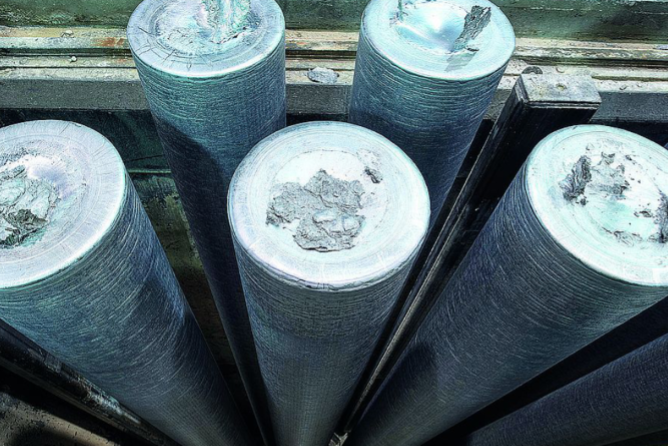
The focus is on the further development of the sorting technology for EoL aluminum scrap based on the LIBS (Laser-Induced-Breakdown-Spectroscopy) process with regard to sorting and cost efficiency in order to achieve the most reliable sort and alloy-specific separation possible. In order to set up an adapted, cost-efficient process chain, the consequences of previously unknown increased concentrations of previously undesirable accompanying elements should also be researched. Specifications for modifying the alloy composition are then derived from this. In this context, it must be ensured that the property profile of the alloys does not deteriorate significantly. The process parameters of the cost-efficient shaping processes press hardening and direct forging must also be adapted to the secondary alloys. In the joint project, an overarching collaboration along the entire digitized and networked process chain is being implemented to increase the lightweight construction potential. Furthermore, methods and modeling approaches are researched and validated, with which the information and knowledge from the entire process chain are summarized in order to enable decision support in the case of inevitable target conflicts with regard to the different property profiles. The resulting digital process chain not only includes data integration, but also superordinate models for evaluating different scenarios.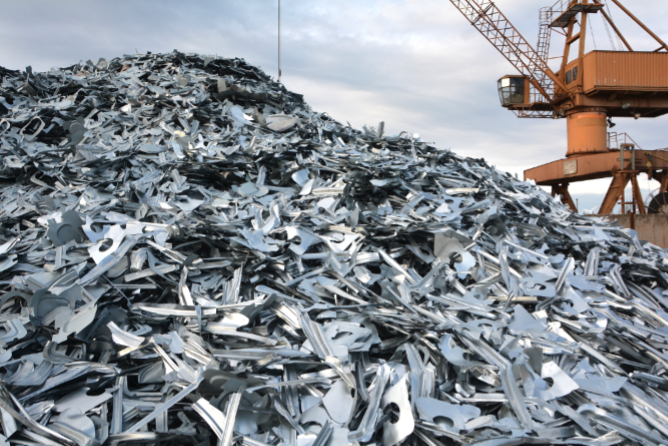
Source: Heiko Kueverling/shutterstock.com
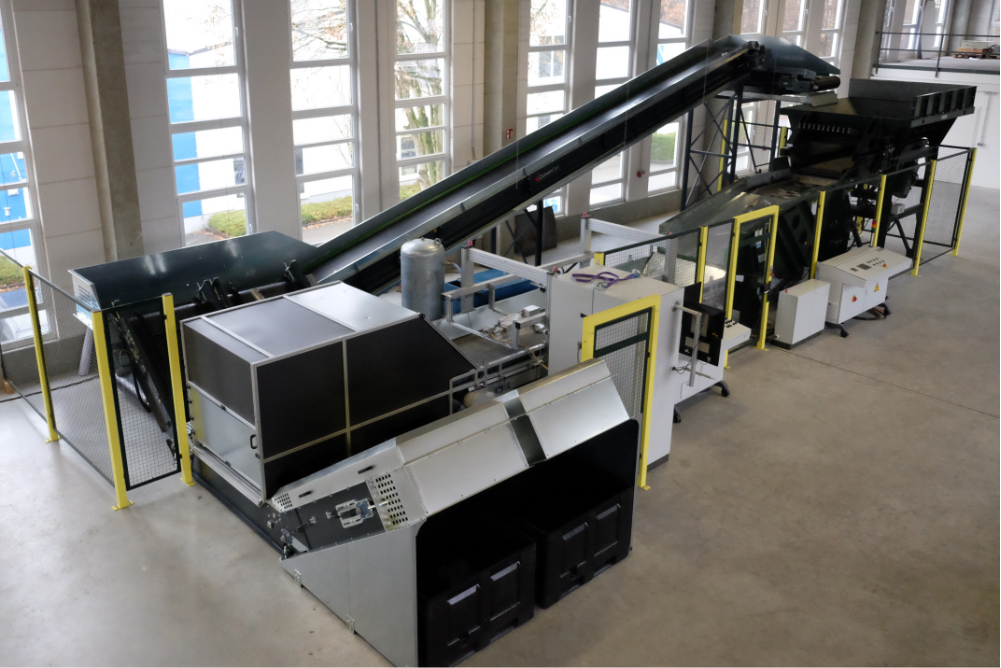
Source: cleansort GmbH
Source: cleansort GmbH
Source: Matplus GmbH
Source: Matplus GmbH
Source: Otto Fuchs KG
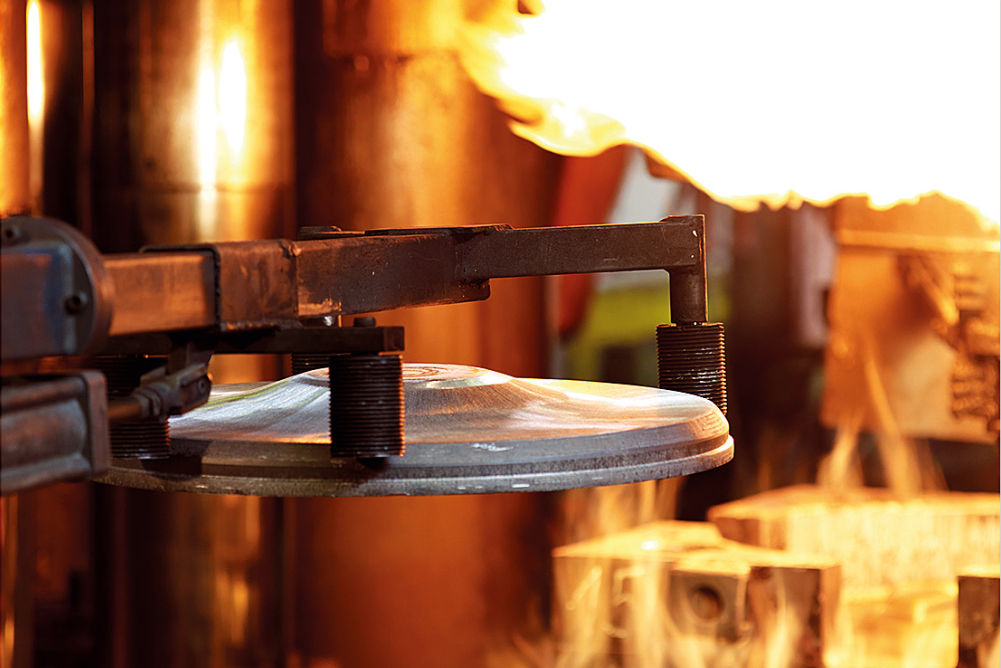
Source: Otto Fuchs KG
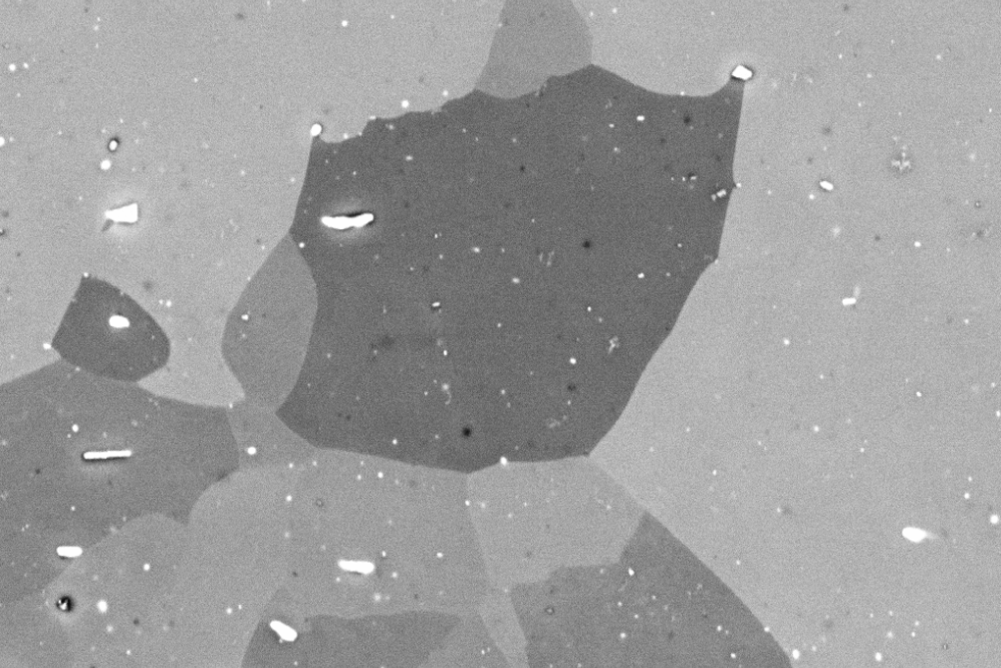
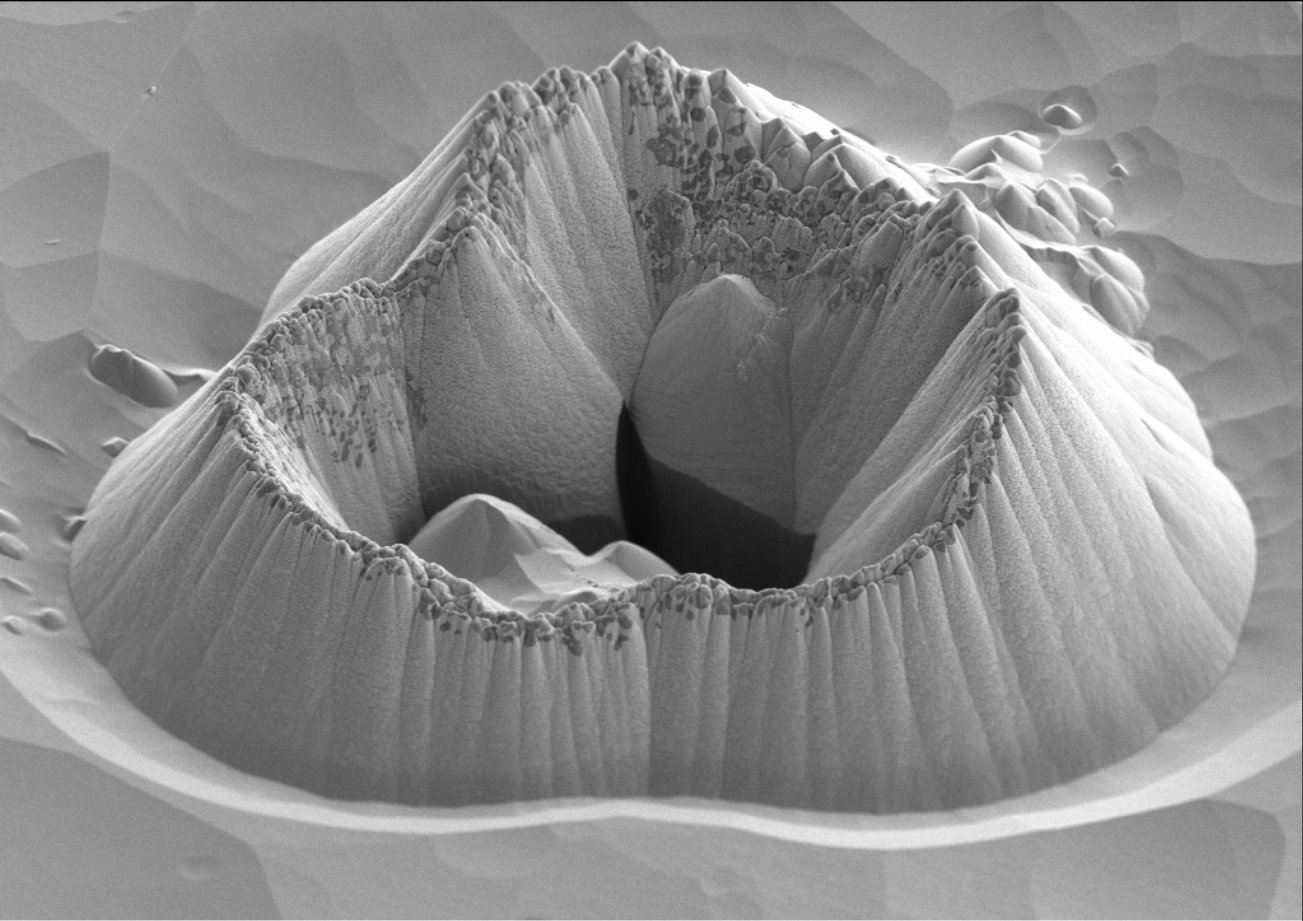
Source: FAU-WW1
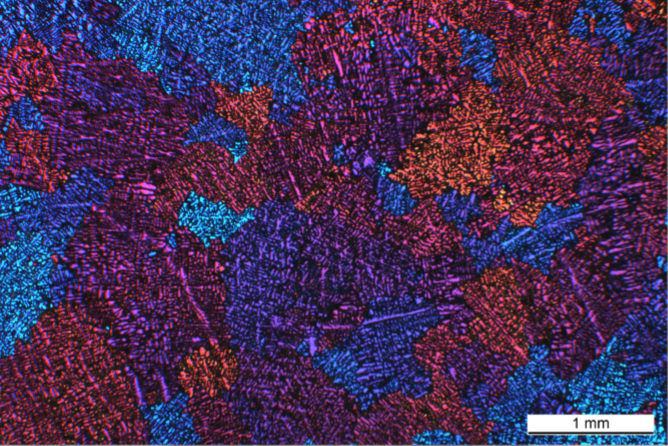
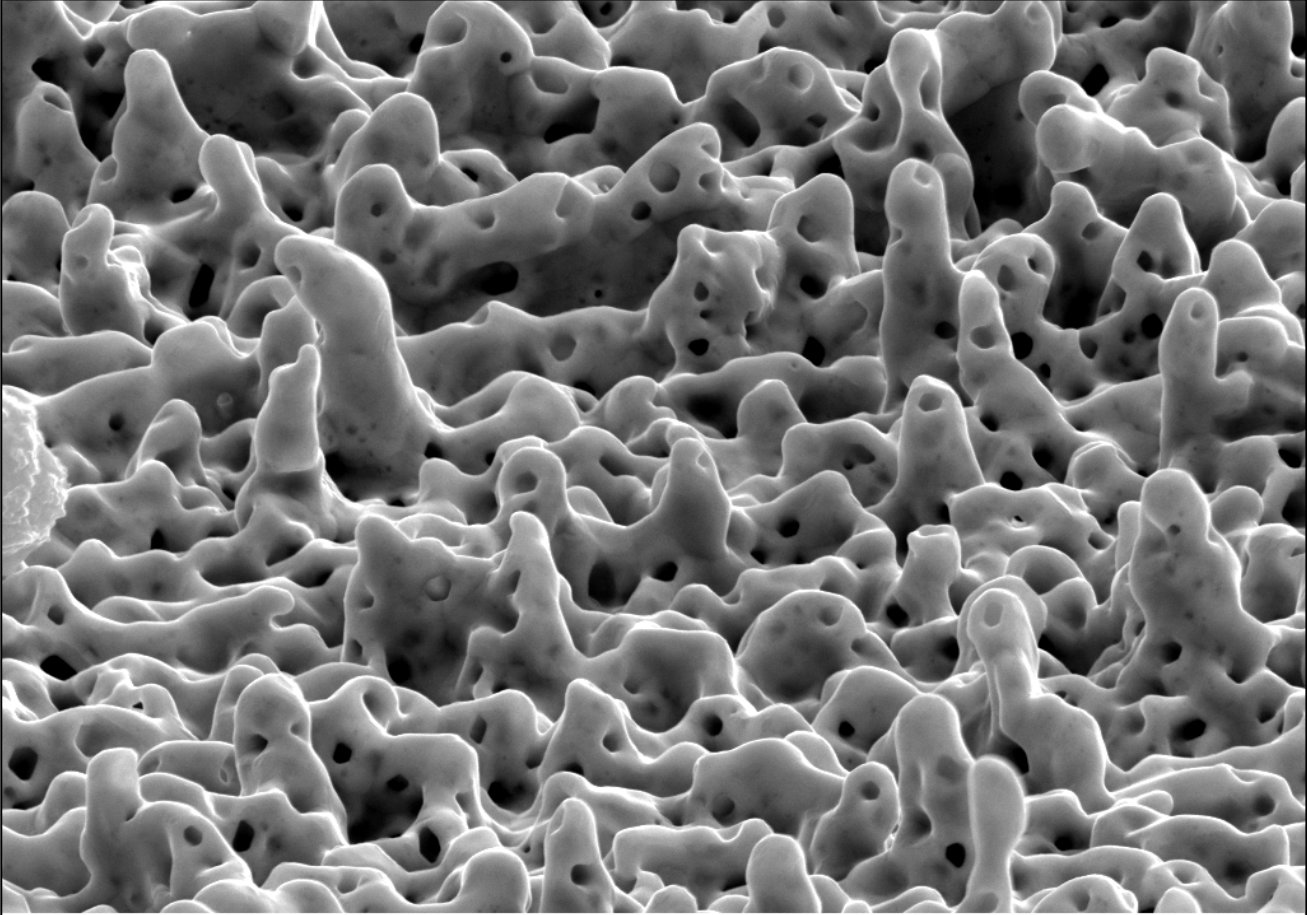
Source: FAU-WW1
Project Members
 Audi AG
Qualification on demonstrators & potential assessment
Audi AG
Qualification on demonstrators & potential assessment Otto Fuchs KG
Efficient forming of the secondary wrought alloys
Otto Fuchs KG
Efficient forming of the secondary wrought alloys TRIMET Aluminium SE
Recycling of aluminum and production of secondary wrought alloys
TRIMET Aluminium SE
Recycling of aluminum and production of secondary wrought alloys Friedrich-Alexander-Universität Erlangen-Nürnberg
Characterization of material properties and microstructure
Friedrich-Alexander-Universität Erlangen-Nürnberg
Characterization of material properties and microstructure cleansort GmbH
Sorting mixed aluminum scrap
cleansort GmbH
Sorting mixed aluminum scrap Clean-Lasersysteme GmbH
Sorting mixed aluminum scrap
Clean-Lasersysteme GmbH
Sorting mixed aluminum scrap Matplus GmbH
Digitalization and optimization of the overall process chain
Matplus GmbH
Digitalization and optimization of the overall process chain
Funding
Bundesministerium für Wirtschaft und Energie (BMWi)